
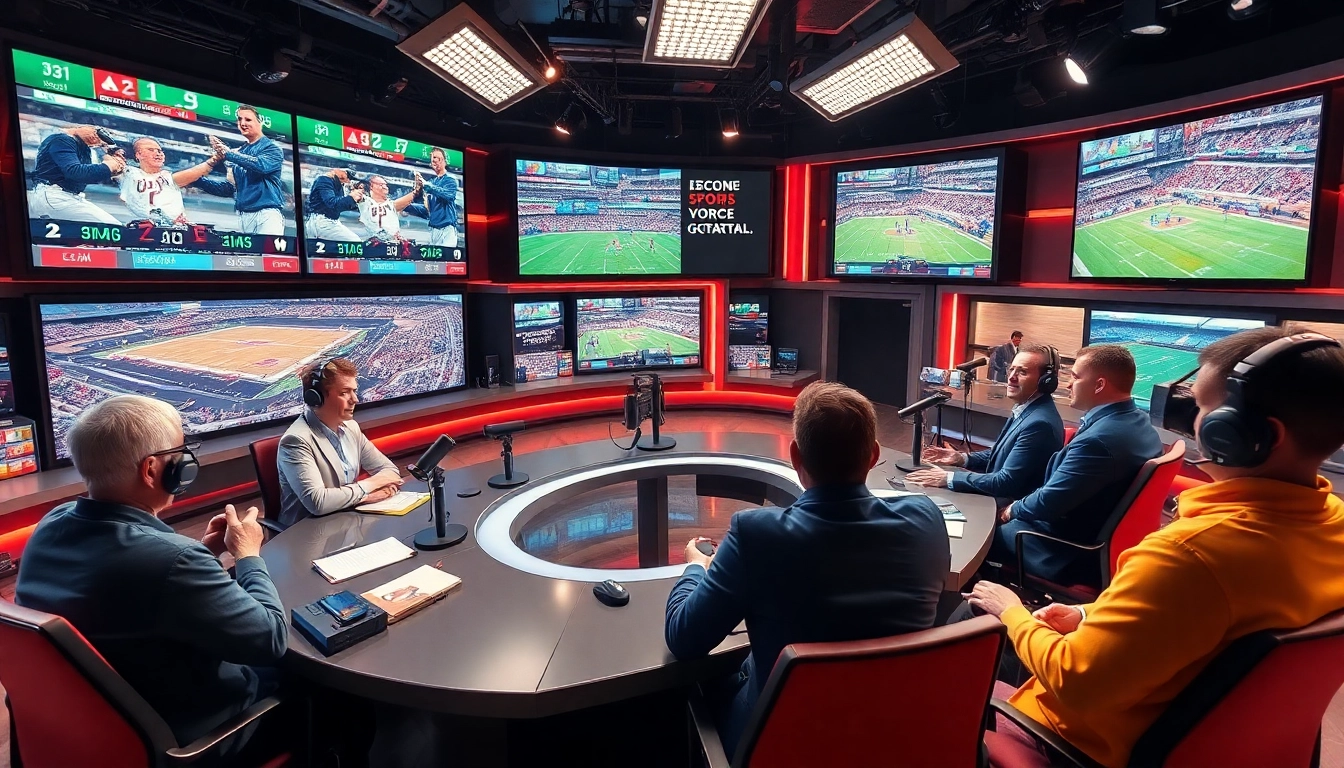
Understanding Sports Broadcasting
Definition and Importance
Sports broadcasting refers to the live or recorded transmission of sporting events through various mediums such as television, radio, and online platforms. This sector has rapidly evolved into a crucial aspect of the sports industry, serving as a bridge between events and audiences worldwide. By enabling fans to experience their favorite games from anywhere, broadcasting plays a vital role in enhancing engagement, driving viewership, and generating substantial revenue through advertising and subscriptions. The integration of Sports Broadcasting has made it possible to leverage technology to create immersive viewing experiences that cater to diverse audience expectations.
Types of Sports Broadcasting
There are several formats of sports broadcasting, each catering to different audience preferences:
- Live Broadcasts: Real-time coverage of games and events, often accompanied by commentary and analysis.
- Recorded Highlights: Edited segments showcasing the most exciting or critical moments of a game after it has concluded.
- Pre- and Post-Game Shows: Programs that provide analysis and discussion before and after the event, often featuring expert opinions.
- Documentaries and Feature Shows: In-depth explorations of stories within the sport, athlete profiles, or historical retrospectives.
The Evolution of Sports Broadcasting
Sports broadcasting has undergone significant transformation since its inception. The early days involved radio broadcasts that allowed fans to hear play-by-play commentary; then, television brought the action to the living room. Over the years, the introduction of satellite and cable television expanded access, while recent advancements have seen the rise of online streaming platforms. These technological shifts have not only increased global access to games but also enhanced the quality of broadcasts through high-definition video and interactive features, effectively changing the way fans experience sports.
Key Technologies in Sports Broadcasting
Streaming and Network Infrastructure
The backbone of modern sports broadcasting relies heavily on robust streaming and network infrastructure. High-speed internet has enabled seamless live streams, which have become a norm for younger audiences. Content delivery networks (CDNs) help in distributing the load, ensuring that viewers can enjoy uninterrupted broadcasts, regardless of their location. As more users prefer mobile viewing, optimizing network capabilities becomes essential to deliver high-quality experiences without lag or buffering.
Production Tools and Equipment
Advanced technology is at the heart of sports production. Key equipment includes high-definition cameras, drones for aerial coverage, and advanced graphics software for real-time statistics and scoreboard updates. Additionally, multichannel audio systems enhance the auditory experience, allowing fans to hear the ambiance of the event. The use of robotic cameras and augmented reality technology further elevates productions, providing angles and insights that were previously unavailable.
Innovative Technologies Enhancing Viewer Experience
Innovative technologies such as artificial intelligence (AI), augmented reality (AR), and virtual reality (VR) are transforming viewer experiences in sports broadcasting. AI analyzes vast amounts of data to predict game trends and provide insights. AR overlays graphics onto the live video feed, helping fans understand complex plays or strategies. VR takes this a step further, offering immersive experiences where fans can virtually “attend” events. These technologies create not only innovative viewing experiences but also increase audience engagement significantly.
Strategies for Effective Sports Broadcasting
Engaging the Audience with Storytelling
Storytelling is a powerful tool in sports broadcasting that can capture the emotions of fans, drawing them deeper into the narrative of a game. By weaving compelling stories around players, teams, and key moments, broadcasters can create an emotional investment in the games. This approach encourages viewers to become loyal fans, as they relate to the journeys and struggles portrayed throughout the seasons.
Utilizing Social Media for Broadcasting Success
Social media platforms have emerged as crucial channels for sports broadcasting. They provide broadcasters the ability to reach audiences directly, sometimes even in real-time during games. By sharing clips, behind-the-scenes content, and engaging with fans, broadcasters can create a comprehensive digital presence that complements traditional broadcasts. The viral nature of social media can amplify reach and engagement, encouraging viewers to share content and in turn, attract more fans.
Collaborations and Sponsorships in Sports
Partnerships play an essential role in the success of sports broadcasting. Collaborating with popular brands for sponsorships can enhance broadcast quality and financial viability. Sponsors often provide not only financial support but also contribute resources that enhance production quality. Innovative sponsorship opportunities, such as branded content and cross-promotions across platforms, can significantly increase viewer loyalty and engagement.
Challenges in Sports Broadcasting
Handling Live Events and Unforeseen Issues
Live sports broadcasting inherently comes with unpredictable challenges such as technical difficulties, unexpected weather events, or injuries. Effective contingency planning is essential for broadcasters to maintain the quality of their service and keep audiences engaged. Using backup systems and multiple feeds can ensure there’s continuity in the broadcast, even when unforeseen issues arise.
Competition from Online Platforms
As young audiences are increasingly drawn to streaming platforms, traditional sports broadcasters face heightened competition. Adapting to the preferences of modern viewers requires agility and innovation. Incorporating features such as on-demand viewing and interactive content can help traditional broadcasters compete effectively with newer platforms that cater to selective viewing habits.
Regulatory Challenges in Broadcasting
Broadcast regulations can vary widely by region, presenting challenges for multinational broadcasters. These regulations often affect content rights, ad placements, and broadcasting hours. Navigating the complex regulatory landscape requires careful analysis and strategic planning to ensure compliance while still maximizing audience engagement and revenue opportunities.
Future Trends in Sports Broadcasting
Growth of Interactive Broadcasting Experiences
The future of sports broadcasting points towards greater interactivity, allowing fans to engage with content on their terms. Features such as live polls, viewer-driven replays, and customizable camera angles enhance viewer participation. These innovations not only keep audiences entertained but also allow for a personalized experience that caters to individual preferences, driving deeper connection to the content.
AI and Data-Driven Innovations
Artificial intelligence technology continues to evolve rapidly, providing new opportunities for data-driven analysis in sports broadcasting. AI can anticipate trends, offer personalized viewing suggestions, and automate highlights creation. Furthermore, data analytics enable broadcasters to gain insights into viewer behavior, allowing for strategic content decisions and enhanced marketing efforts.
The Rise of Virtual and Augmented Reality
The integration of virtual and augmented reality into sports broadcasting represents a major trend for the future. These technologies make it possible to create immersive experiences that transport fans into the heart of the action. Imagine being able to watch a game from the sidelines or even enter a virtual locker room during half-time. Such innovations not only change the viewing experience but also attract a new generation of tech-savvy fans.
Frequently Asked Questions
What is the main role of sports broadcasting?
The primary role of sports broadcasting is to connect fans with live or recorded sports events, providing access to games and related content through various media platforms.
How has technology changed sports broadcasting?
Technology has revolutionized sports broadcasting by enhancing video quality, allowing for live streaming, and enabling interactive features that enrich the viewer experience.
What are the challenges of live sports broadcasting?
Challenges include handling unexpected technical issues, managing multiple live feeds, and ensuring compliance with broadcasting regulations, which can vary by region.
Why is storytelling important in sports broadcasting?
Storytelling engages audiences emotionally, helping them connect with teams and players, leading to increased loyalty and interest in the broadcasted events.
What trends are shaping the future of sports broadcasting?
Future trends include increased interactivity, the use of AI for insights, and the incorporation of immersive technologies like VR and AR to enhance viewer experiences.